
Tanks & melters
- Potential repair scope
- Cleaning, sealing work and assessment of heating and delivery assemblies.
- What we review
- Adhesive contamination, leaks, heating symptoms and the condition of the tank and connections.
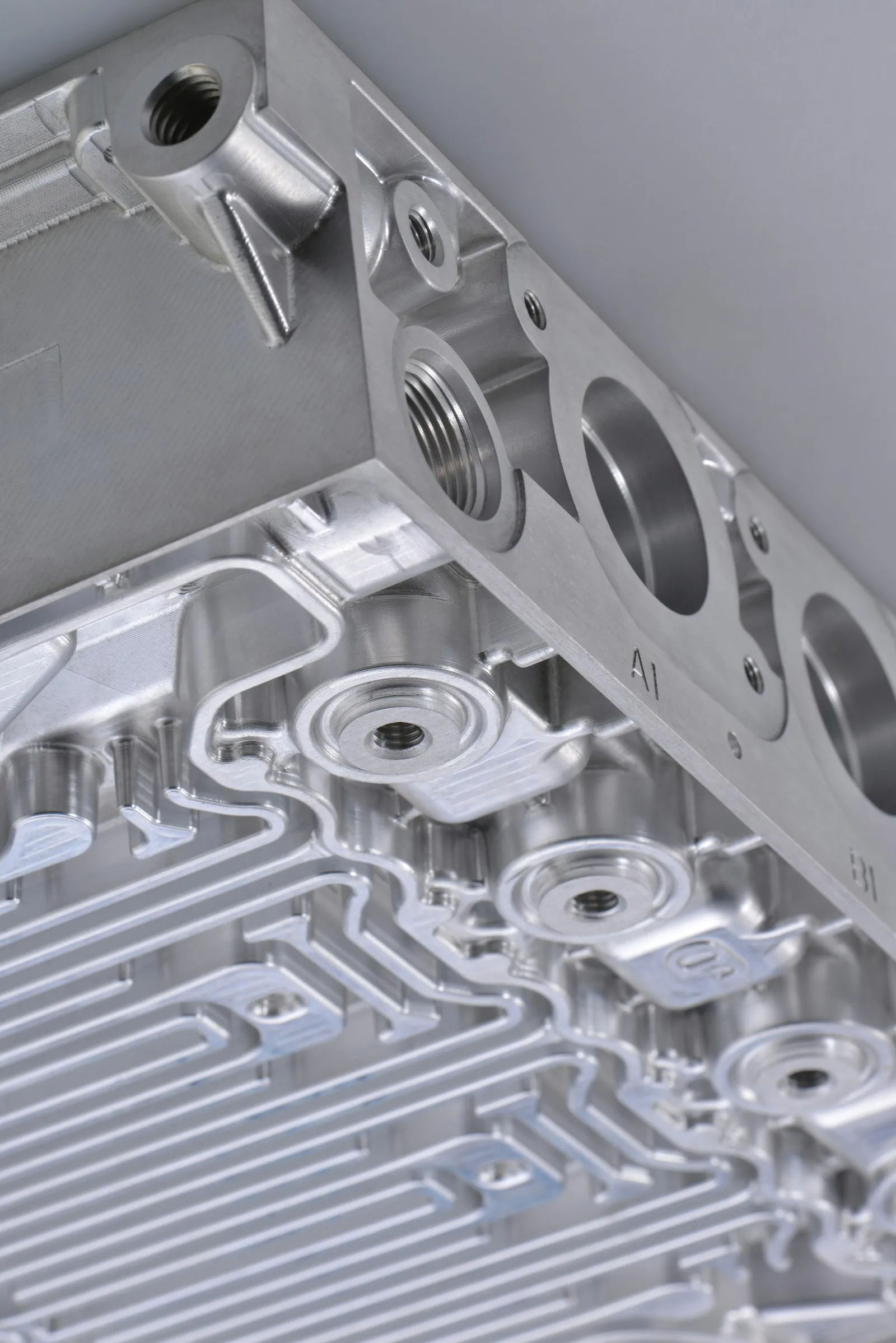
SERVICE / ASSESS · REPAIR · VERIFY
A leaking module, an applicator that no longer dispenses consistently, or a melter with a heating fault. Tell us what changed. We assess the assembly and agree a repair scope before work begins.
WHAT WE REPAIR
Repair is not one standard procedure. The work depends on the fault, component condition and available technical information. These are the areas we assess with you.
Filters and seals can be included in the parts requirement. Cleaning, replacement or reuse is decided from condition and application; not every item is a rebuild candidate.
REPAIR PROCESS
Share the equipment reference, symptoms and available photographs. We clarify the information needed for assessment.
Where inspection is needed, agree shipment and assessment arrangements first. We review condition and repair feasibility.
Confirm proposed work, components, test scope and timing. Any change to the agreed scope needs review.
Carry out the agreed checks, communicate the outcome and arrange return of the assembly.
AFTER THE REBUILD
A visual inspection alone cannot answer every question. We agree which checks are relevant and achievable for the assembly, and what information or equipment is needed to perform them.
Bench checks are limited to the agreed conditions. They do not replace installation, commissioning or process validation on your production line.
Sealing and connections under the agreed test conditions.
Movement, actuation or delivery behaviour relevant to the repair.
Heating and temperature response where included in the scope.
Condition, assembly and relevant dimensions against the available reference.
You do not need a complete technical file to make the first enquiry. Send what you have and clearly mark what is unknown.
Please agree the receiving address and preparation requirements with STT before shipping equipment. The published business addresses are not automatic repair-delivery instructions.
FAQ
Photographs help us make an initial assessment. Internal wear and damage may only become visible during inspection. We explain what must be checked before a repair scope and price can be confirmed.
The decision depends on damage, parts availability, technical feasibility and the required operating conditions. Where repair is unsuitable, we can review supply or manufacturing options without assuming they are interchangeable.
We agree the checks for the particular assembly before the work. Depending on scope, these may include leak, functional, heating, visual or dimensional checks. Ask for the required conditions and outcome format in your enquiry.
Timing is confirmed after the scope and required components are known. Share your requested date and production impact at the start. We do not promise a fixed turnaround before assessment.
Contact us first. We need to agree the receiving location, identify the shipment and clarify any preparation or handling requirements. Do not assume a listed office address accepts repair deliveries.
Yes. You can also enquire about industrial seals, metal filters, custom components and engineering support. Share the application so we can confirm what is within scope.
LET’S GET TO WORK
Start with a photo, part number or a few details about your application.